Betta fish, specifically Betta splendens, are among the most recognizable and captivating freshwater fish in the world. Often called "Siamese Fighting Fish," they are renowned for their vivid colors and flowing fins, but their complex biology and behaviors make them far more than just decorative pets.
1. Dietary Requirements and Eating Habits
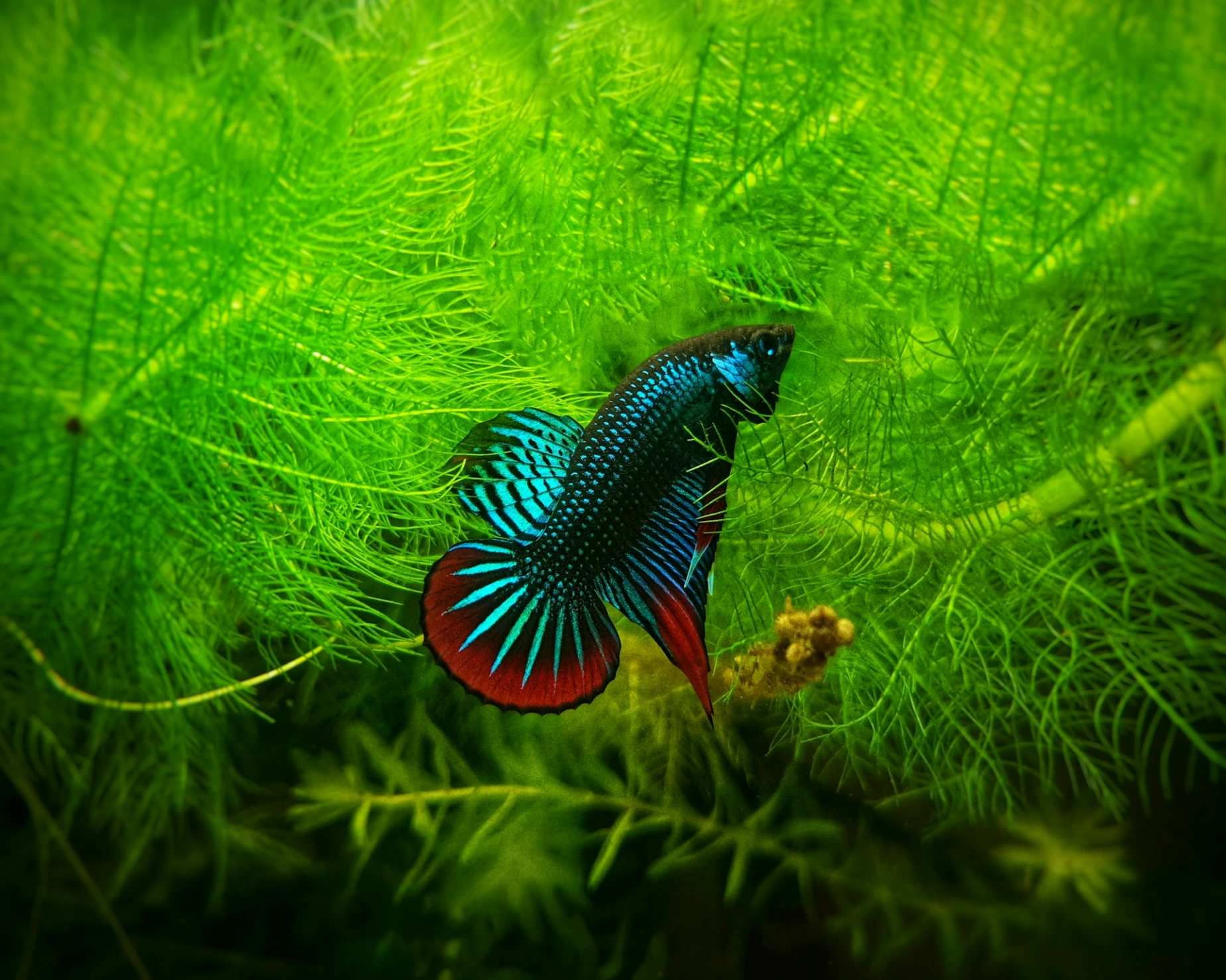
In their natural habitats—the shallow rice paddies and stagnant marshes of Southeast Asia—Bettas are insectivores. Their mouths are upward-turned, specifically adapted for surface feeding.
Protein-Rich Diet: To maintain their vibrant colors and energy, Bettas require a diet high in animal protein. In a home aquarium, this should include specialized Betta pellets or flakes.
Live and Frozen Foods: For optimal health, supplement their diet with brine shrimp, daphnia, or bloodworms. These "meaty" treats mimic their natural prey.
Feeding Frequency: Adult Bettas typically eat once or twice a day. Overfeeding is a common risk; a Betta’s stomach is roughly the size of its eye, so small, controlled portions are essential to prevent bloating and water contamination.
2. Distinctive Behaviors
Bettas are famous for their intelligence and territorial nature. Unlike many schooling fish, they exhibit highly individualistic personalities.
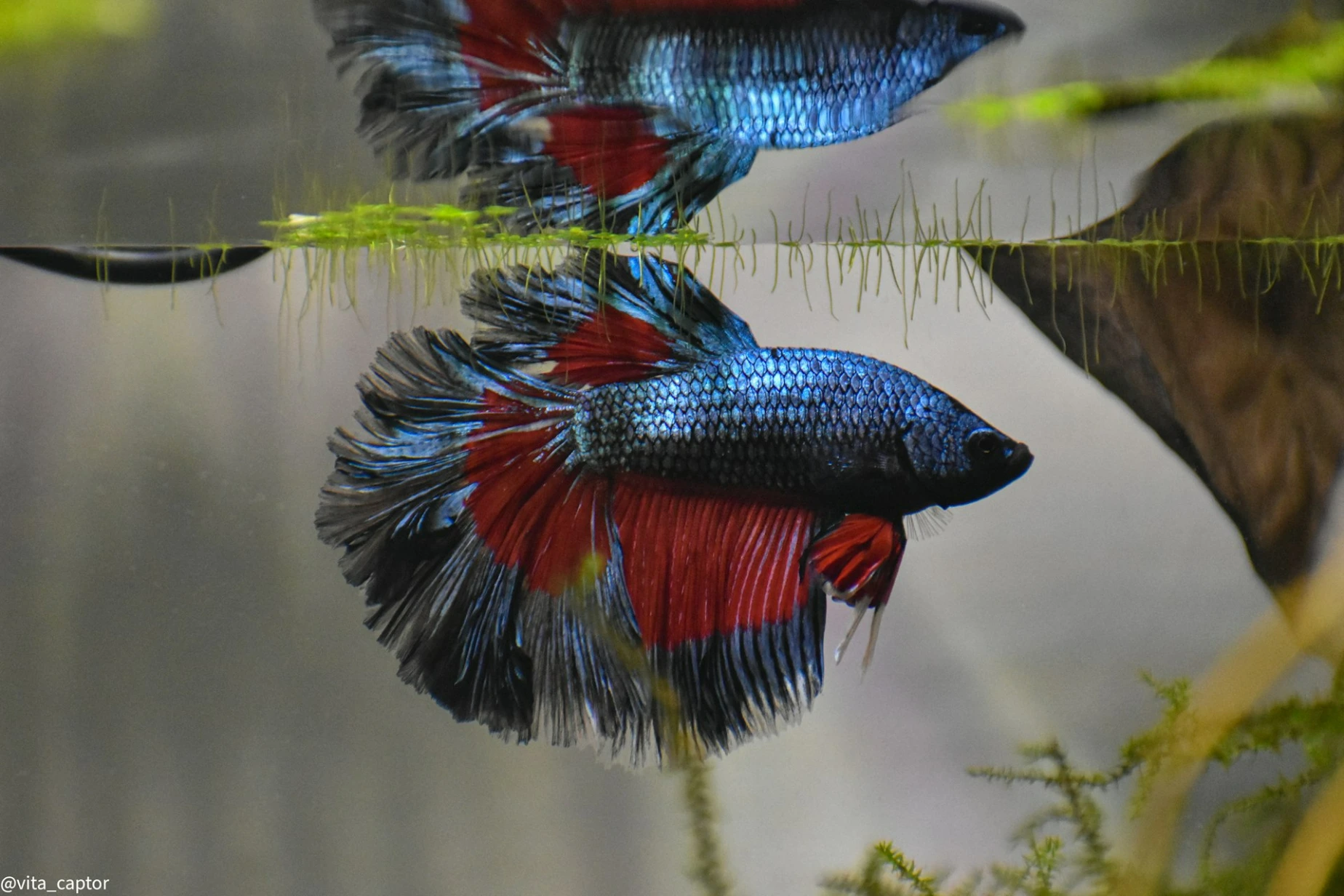
Territorial Aggression: Male Bettas are fiercely territorial. When they perceive a rival (or even their own reflection), they engage in flaring—stretching their gill covers and fins to appear larger and more intimidating.
The Labyrinth Organ: One of their most fascinating biological traits is the labyrinth organ. This allows them to breathe atmospheric air from the surface, an adaptation that helps them survive in low-oxygen environments.
Interactive Intelligence: Bettas are known to "bond" with their keepers. They can recognize faces and can even be trained to follow a finger or jump through small hoops for food.
3. Mating and Breeding Rituals
The breeding process of the Betta is a sophisticated and visually striking display of parental care, primarily led by the male.
The Bubble Nest: When a male is ready to mate, he blows a cluster of bubbles at the water's surface, reinforced by mucus. This "bubble nest" serves as the cradle for the future eggs.
The Nuptial Embrace: Mating involves a delicate "hug" where the male wraps his body around the female to trigger the release of eggs, which he then fertilizes simultaneously.
Male Parental Care: Once the eggs are laid, the male meticulously gathers them in his mouth and places them into the bubble nest. He becomes the sole guardian, fiercely protecting the nest from predators—including the female—and tending to the eggs until they hatch into "fry."
Summary Table
| Category | Key Detail |
| Diet | Carnivorous (Insects, Larvae, High-Protein Pellets) |
| Activity | Diurnal (Active during the day) |
| Social | Solitary (Males are highly aggressive toward other males) |
| Reproduction | Egg-layers; Bubble-nest builders |